Industrial equipment portfolio

Industrial 3D printers for custom OEM and bulk procurement.

Compare seven additive-manufacturing routes by usable build volume, material, acceptance evidence, site requirement and lifecycle scope—not by an isolated headline specification.

Request a technical quoteEditorial visualization; the final proposal identifies the exact model, evidence and project scope.

EverBen model directory

Browse 48 industrial 3D printer models and series.

Choose a process family, compare the recorded specification fields and open the page for the model you want to evaluate. Incomplete or conflicting catalog inputs are flagged so your RFQ can request the current configuration and controlled datasheet.

The directory contains 48 SLA, SLM, SLS, FGF and FDM model or series records. Availability, revision and installed options are confirmed in the written quotation. DLP and LCD remain technology-selection guides until a named equipment record is approved.

Seven technology families

Match the process to the part, material and production constraint.

Use each buying guide to compare reference ranges, site needs, sample evidence, acceptance planning and the questions that must be closed before a quotation becomes purchase-ready.

Technology images are illustrative. The quotation names the actual model, revision, production site and configuration.

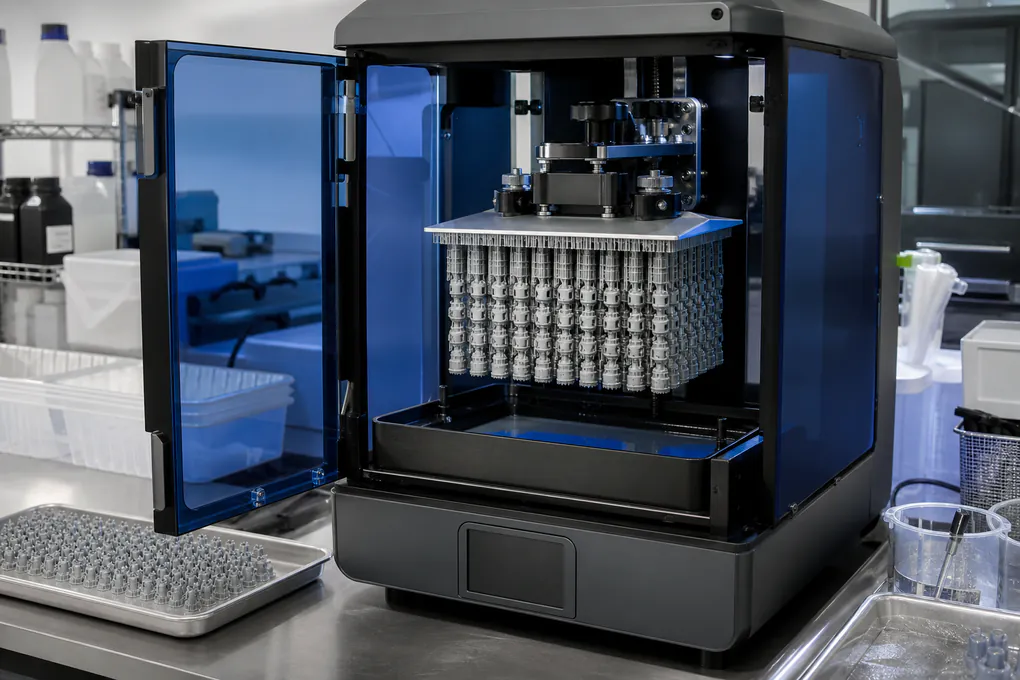
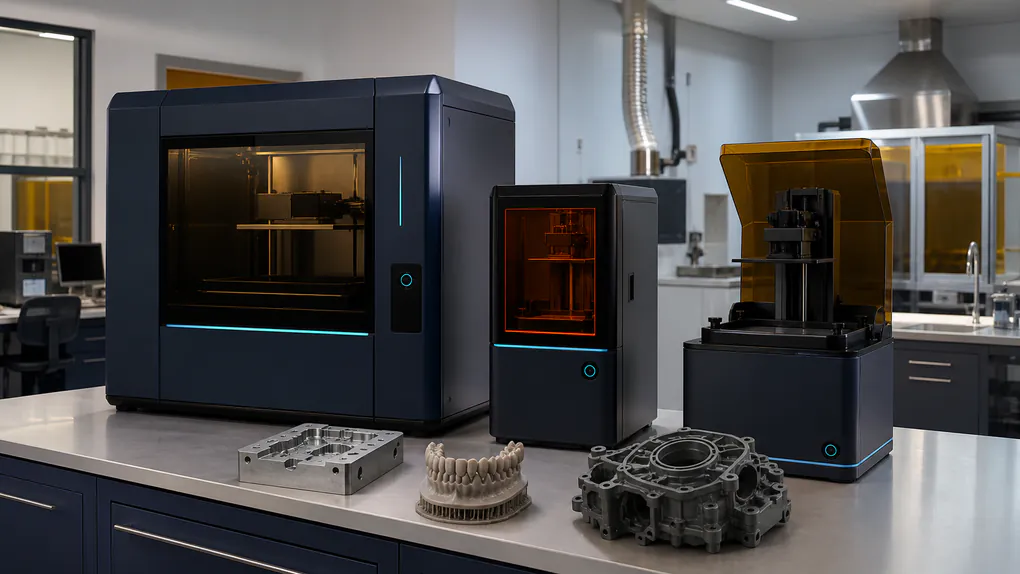
Unbranded industrial SLA resin 3D printer systems in a clean additive manufacturing lab
SLA resin systems

Industrial SLA 3D Printers

Custom and bulk-purchase SLA platforms for large prototypes, masters, patterns and production tooling—with laser, resin, sample and acceptance requirements defined before quotation.

Best for
large appearance prototypes · master patterns and casting patterns
First inputs
Largest part file and preferred orientation · Surface, tolerance and dimensional inspection requirements
Primary validation
Named build envelope and laser/scan-head configuration
Open the 12-step buying guide →
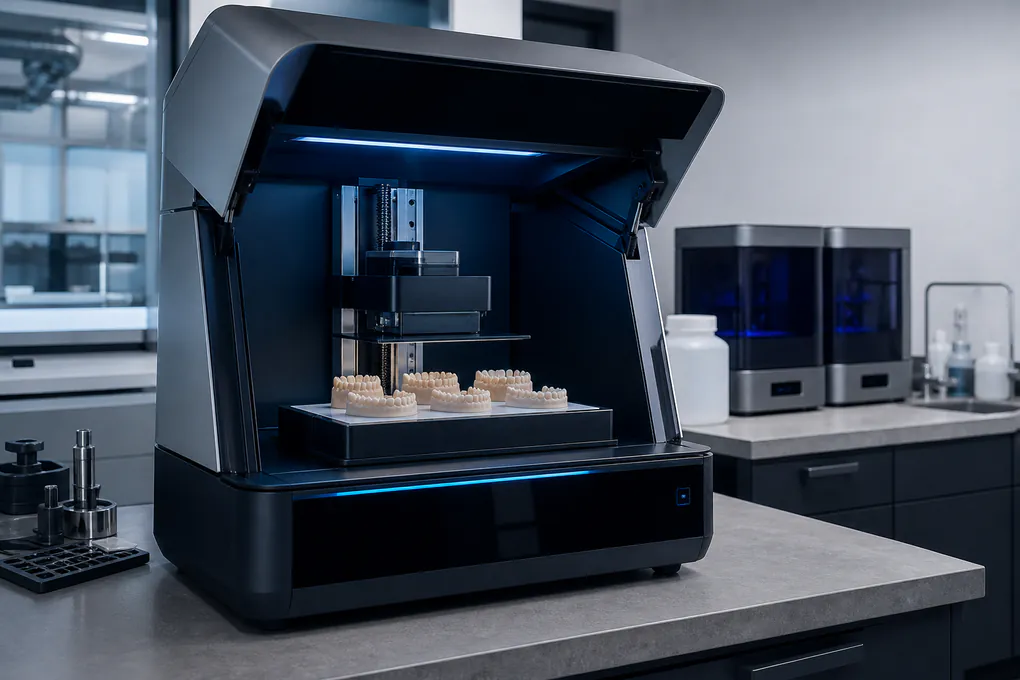
Illustrative industrial DLP resin printer with a batch of precision dental models
DLP resin systems

Industrial DLP 3D Printers

Projected-light resin systems for small precision parts and repeat batch production, qualified around optical uniformity, resin workflow and measured part performance.

Best for
dental models and guides subject to workflow validation · jewelry casting patterns
First inputs
Part or dental indication and destination market · Required build area, feature size and batch quantity
Primary validation
Projector, optical path and usable build area
Open the 12-step buying guide →
Illustrative industrial masked-LCD resin printer producing a dense batch of precision parts
LCD resin systems

Industrial LCD 3D Printers

Masked-resin printing platforms for accessible precision batch production, with screen life, light uniformity and validated material workflow visible in the sourcing decision.

Best for
dental and orthodontic models subject to workflow validation · figurines and design models
First inputs
Part type, quantity and largest bounding box · Feature, surface and tolerance targets
Primary validation
Screen model, active area, pixel pitch and replacement terms
Open the 12-step buying guide →
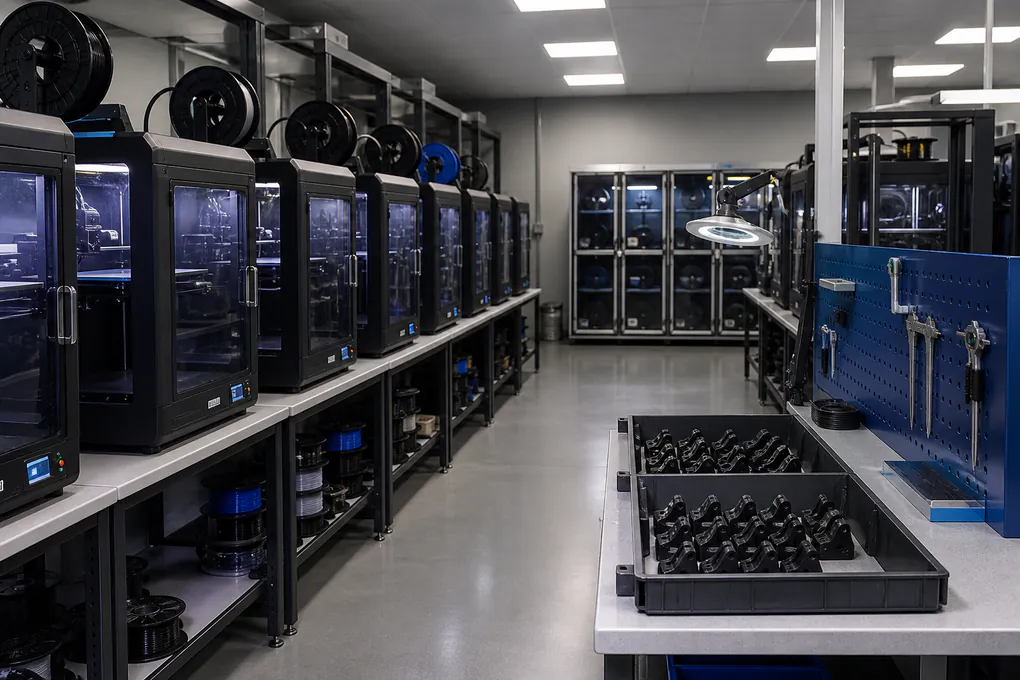
Illustrative production room with multiple enclosed industrial FDM 3D printers and finished jigs
Industrial FDM systems

Industrial FDM 3D Printers

Enclosed filament-extrusion platforms from desktop production to metre-scale builds, configured around material drying, chamber control, nozzle strategy and repeatable fleet operation.

Best for
jigs, fixtures and assembly aids · large visual and fit prototypes
First inputs
Part size, wall, tolerance and strength direction · Polymer grade, fibre fill and colour
Primary validation
Build, nozzle, hot-end, bed and chamber configuration
Open the 12-step buying guide →
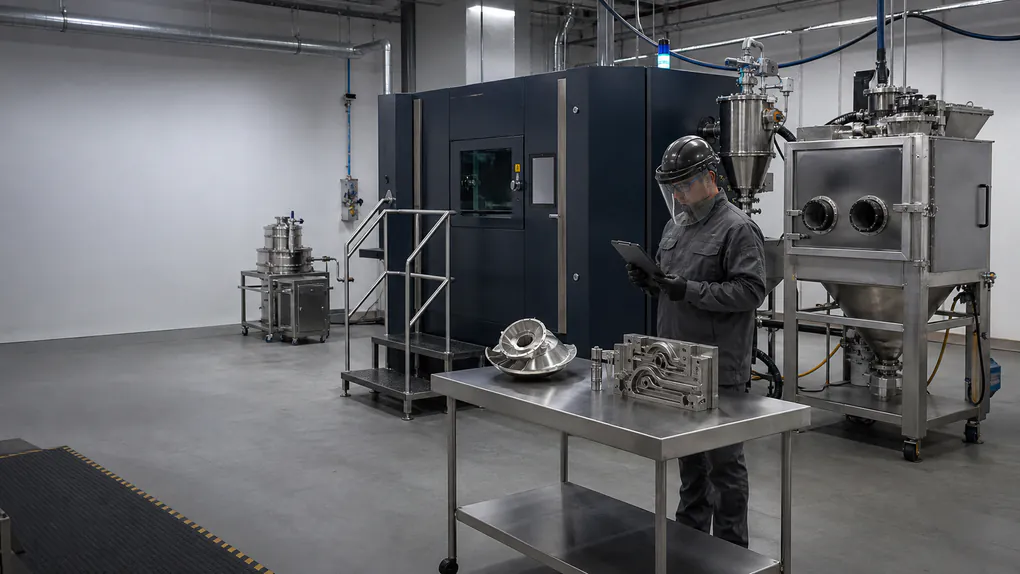
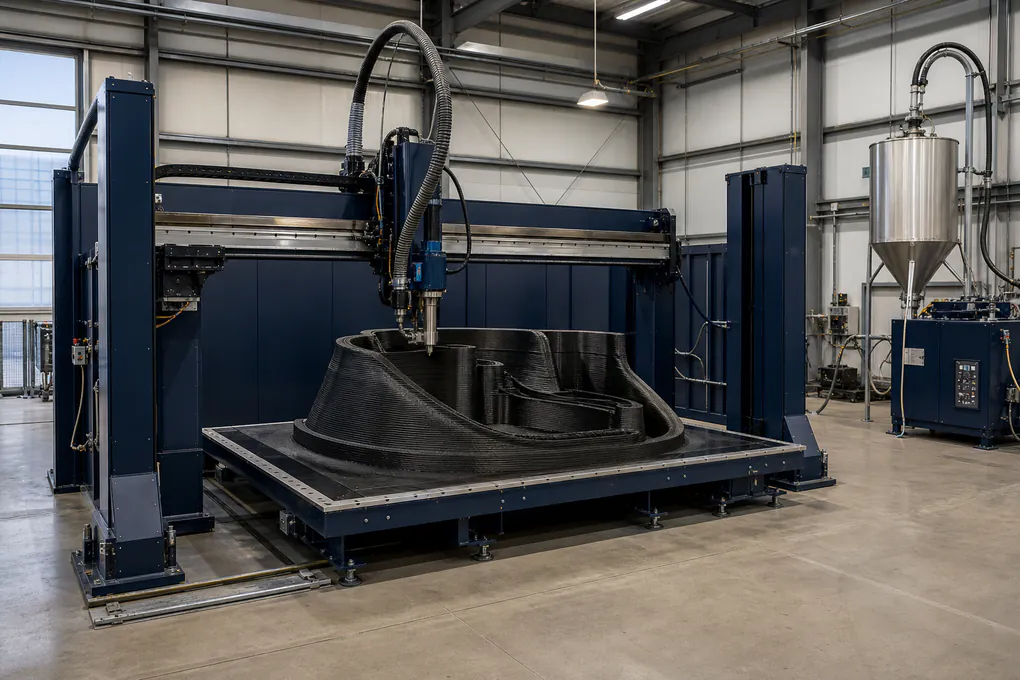
Illustrative large-format FGF pellet 3D printer building a composite tooling mold in an industrial cell
Large-format FGF systems

Industrial FGF Pellet 3D Printers

Large-format pellet-extrusion and optional additive-subtractive cells for molds, patterns, furniture and tooling, engineered around material drying, bead control and factory installation.

Best for
composite tooling and molds · foundry and vacuum-form patterns
First inputs
Part CAD, split strategy and final tolerance · Pellet polymer, fill, drying and recycled-content need
Primary validation
Gantry, extruder, feeder, dryer, bed and chamber configuration
Open the 12-step buying guide →

Fast comparison

Normalize every supplier answer before shortlisting.

The right route matches the intended part, qualified material, measurable acceptance target, site constraints and lifecycle plan.

ProgramTypeBest-fit applicationsEvidence to prioritize
Industrial SLA 3D PrintersSLA resin systemslarge appearance prototypes; master patterns and casting patternsNamed build envelope and laser/scan-head configuration; Representative sample plan with measurement method
Industrial DLP 3D PrintersDLP resin systemsdental models and guides subject to workflow validation; jewelry casting patternsProjector, optical path and usable build area; Uniformity and calibration method
Industrial LCD 3D PrintersLCD resin systemsdental and orthodontic models subject to workflow validation; figurines and design modelsScreen model, active area, pixel pitch and replacement terms; Light array, uniformity and calibration method
Metal LPBF 3D PrintersMetal LPBF systemsconformal-cooled mold inserts; aerospace and energy development partsNamed machine, laser layout, build and recoating system; Qualified alloy and parameter evidence
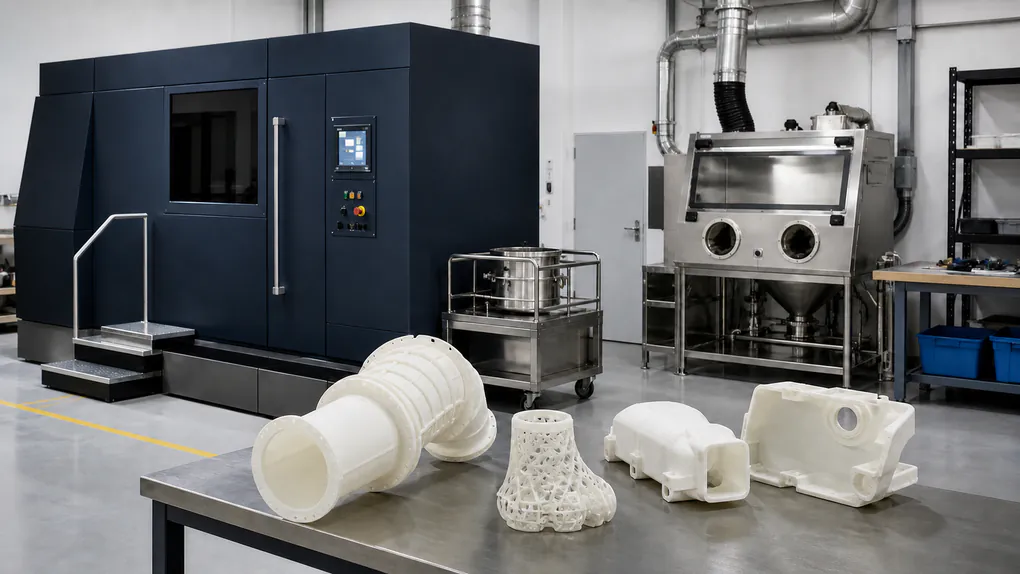
Industrial SLS 3D PrintersPolymer SLS systemsfunctional nylon prototypes; ducts, brackets and housingsLaser, thermal and recoating architecture; Qualified powder and refresh/blend method
Industrial FDM 3D PrintersIndustrial FDM systemsjigs, fixtures and assembly aids; large visual and fit prototypesBuild, nozzle, hot-end, bed and chamber configuration; Validated filament, drying and profile list
Industrial FGF Pellet 3D PrintersLarge-format FGF systemscomposite tooling and molds; foundry and vacuum-form patternsGantry, extruder, feeder, dryer, bed and chamber configuration; Material-specific nozzle, temperature and output window

Not sure where to start?

Send a non-confidential part, throughput target or installed-machine summary.

The first useful inputs are the application, material or process, part envelope, target output, expected volume, destination and required documents.

OEM program

Configure branding, documentation and accessories after technical fit is proven.

OEM requests can cover machine colour, brand plate, interface language, packaging, manuals and accessory kits. Model changes that affect safety or performance need their own validation plan, minimum order quantity and change control.

Bulk purchasing

Use MOQ and bulk pricing only after the configuration is frozen.

EverBen keeps single-unit retail prices off the site because build size, material route, software, post-processing, destination and installation scope materially change delivered cost. Send annual demand and rollout timing for a project quote.

Acceptance

Protect the purchase with samples, FAT and SAT.

A representative sample, written inspection method and factory/site acceptance sequence are more useful than an unsupported accuracy claim. Every product-family guide shows which evidence to request.

Next practical step

Need a normalized technical comparison?

Share the current options or target specification. The response will focus on configuration, missing inputs, test conditions, OEM scope and evidence gaps.

Request a B2B quote