Industrial 3D printing · OEM · bulk procurement
EverBen industrial 3D printers configured for your production requirements.
China EverBen 3D Printer supports model selection and equipment supply across SLA, metal LPBF, SLS, FDM and FGF. Compare model records, then define the configuration, sample, acceptance and delivery scope.
- 7 routes
- resin, metal & polymer
- OEM
- custom project programs
- FAT / SAT
- written acceptance gates
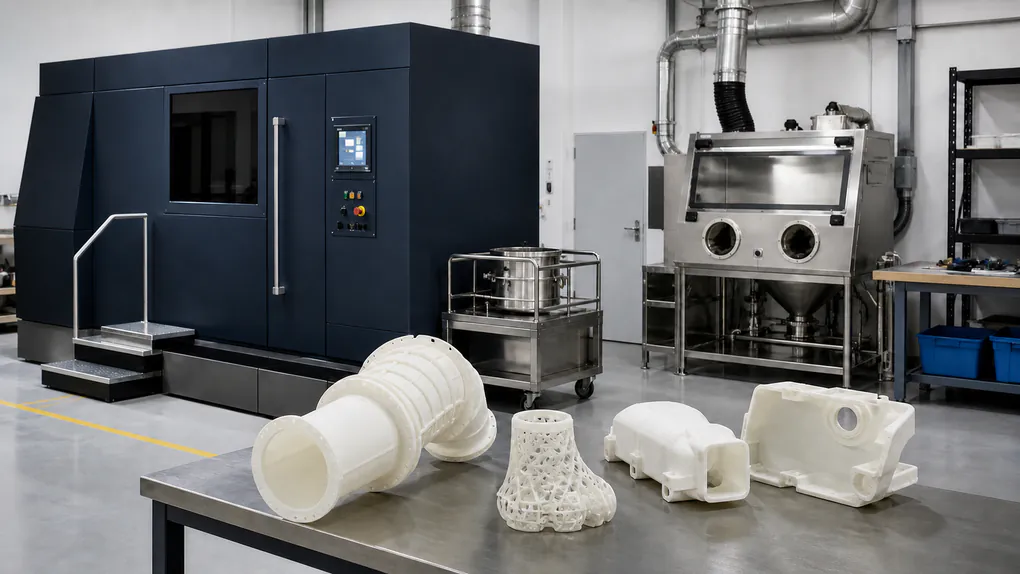
Illustrative unbranded technology image; the final proposal identifies the exact equipment, production site and evidence.EverBen model directory
Browse 48 industrial 3D printer models and series.
Choose a process family, compare the recorded specification fields and open the page for the model you want to evaluate. Incomplete or conflicting catalog inputs are flagged so your RFQ can request the current configuration and controlled datasheet.
The directory contains 48 SLA, SLM, SLS, FGF and FDM model or series records. Availability, revision and installed options are confirmed in the written quotation. DLP and LCD remain technology-selection guides until a named equipment record is approved.
Industrial equipment portfolio
Choose the additive process that fits the part—not the loudest specification.
Browse 48 EverBen models and series across five equipment families. Each model page separates recorded fields from missing-data checks and opens a model-specific RFQ. Seven process guides also cover DLP and LCD selection.
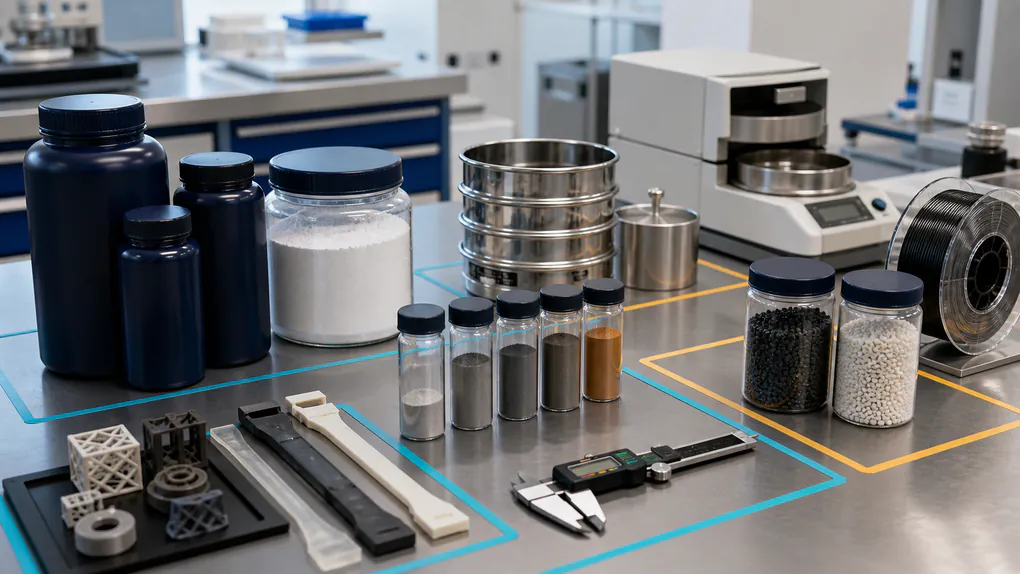
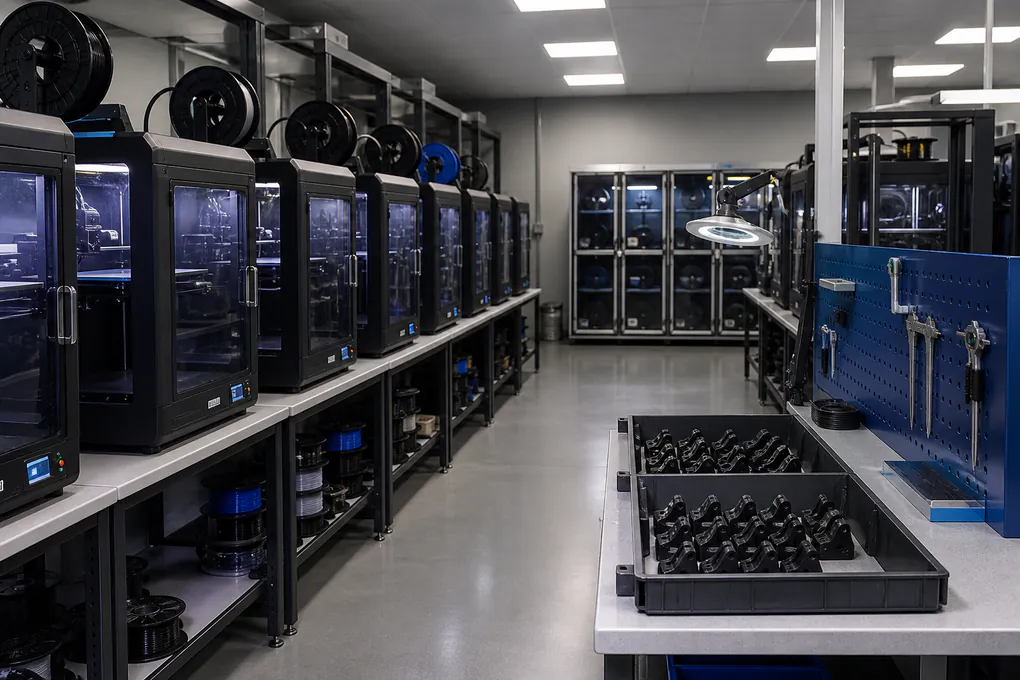
Images illustrate technology families; they are not delivery records, named models or customer installations.
Procurement reality
A machine price never tells the whole production story.
A useful B2B comparison connects the equipment to its materials, test conditions, workflow, operating environment, documents and technical-support needs.
01Technical fit
Application-led requirements, representative samples and comparable EAV specification tables.
02Evidence
Documents and test results tied to the exact model, material, configuration and revision.
03Acceptance
Written sample, FAT and SAT methods agreed before shipment and final handover.
04Lifecycle
Installation, training, consumables, maintenance, spares, warranty and change control visible in the quote.
Applications
Evaluation questions for demanding production environments.
Each route changes the criteria. Translate the end use into the evidence a supplier should provide.
Editorial images explain each route; exact equipment, operating-site and customer evidence remain project-specific.
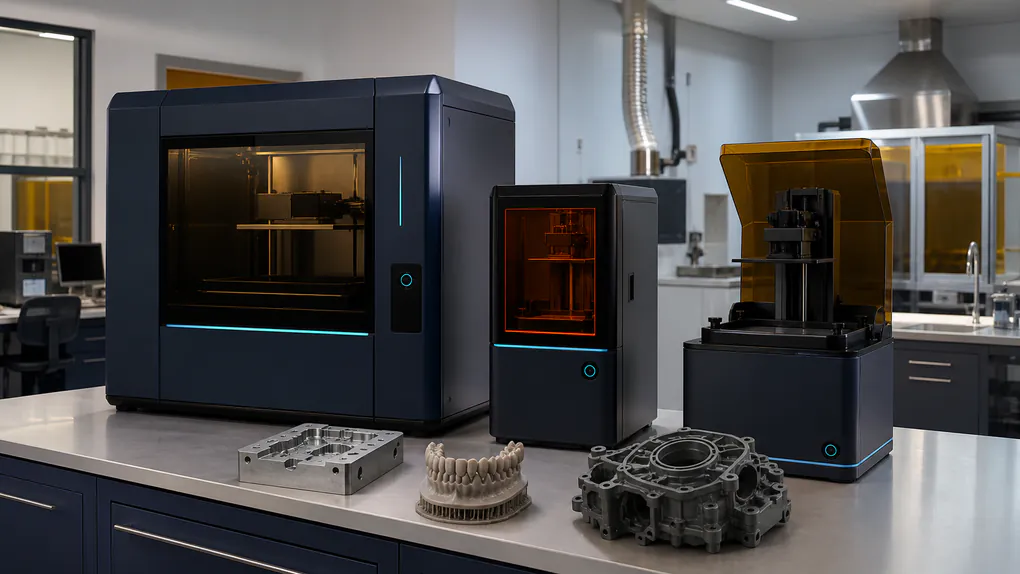
Dental & precision resin
DLP, LCD and SLA routes compared through optical uniformity, validated materials, post-cure and measured-part evidence.
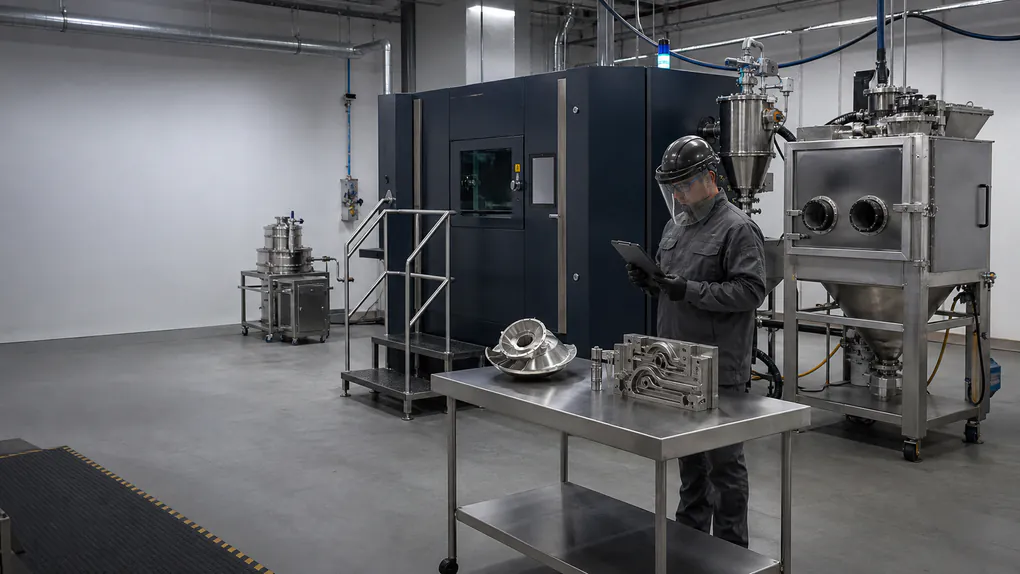
Metal additive cells
LPBF equipment evaluated with powder lifecycle, inert-gas control, post-processing, EHS, FAT and site acceptance.
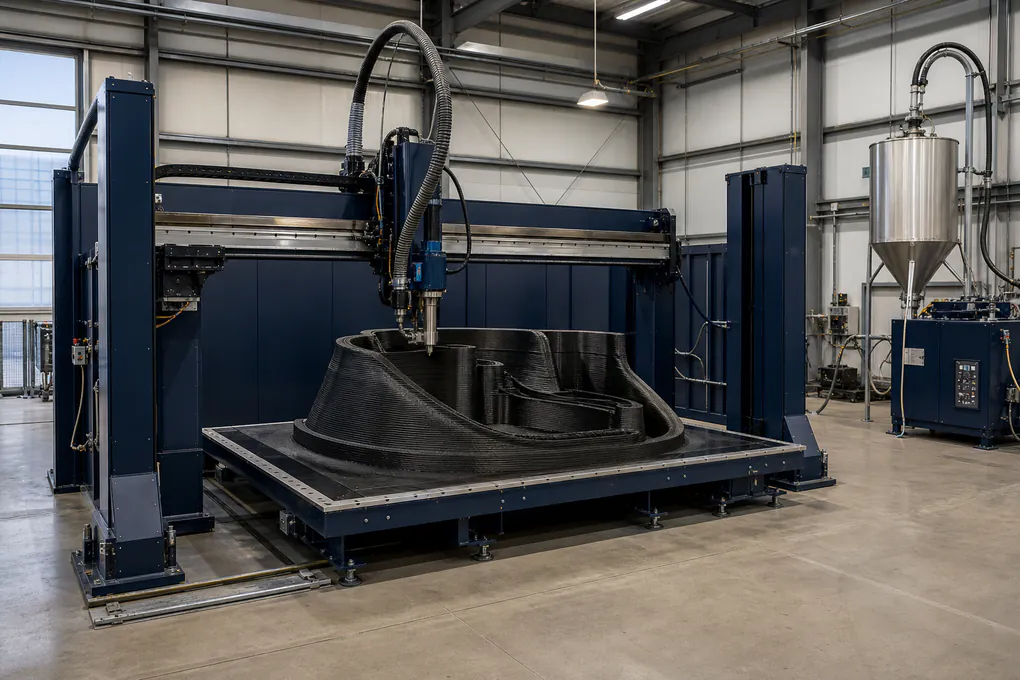
Large tools & molds
FGF pellet extrusion and large FDM planned around drying, bead or road control, thermal stability and optional machining.
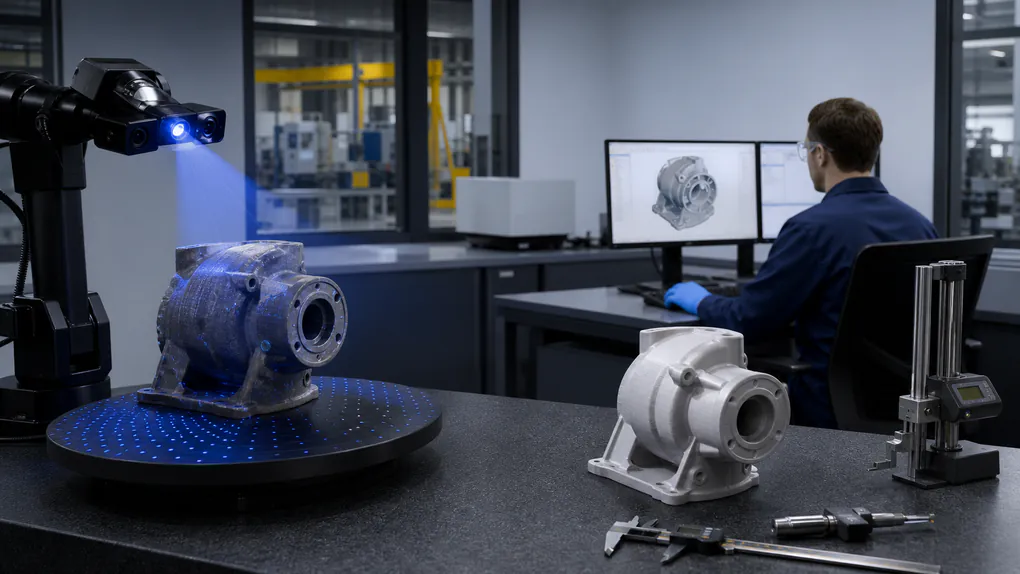
Maintenance & repair
Reverse engineering starts with duty, failure mode, CAD ownership, material and inspection—not the scan alone.
OEM & customization
Customize the commercial package without hiding the engineering consequences.
Machine colour, brand plate, interface language, packaging, manuals and accessory kits can be evaluated against MOQ and annual forecast. Changes to optics, thermal systems, powder handling or safety functions require a separate engineering and validation gate.
Start an OEM program briefCertification without ambiguity
Trust the document scope—not the badge.
FDA registration, 510(k) clearance, CE marking, EU MDR evidence and ISO 13485 quality certification are different claims. A project review must tie any status to the relevant legal manufacturer, product, scope, market and validity period.
See how evidence is reviewed →01Identity match
Legal manufacturer, model and document holder.
02Scope match
Product, quality system, intended use and market.
03Status match
Issuer, validity, revision and supporting files.
A clear evaluation sequence
From requirement to technical handoff.
Each program should be adjusted to its risk and complexity while keeping the decision trail understandable.
- 01
Define
Application, material, performance, volume, market, timing and mandatory evidence.
- 02
Compare
Shortlist supply routes against one normalized technical brief and the same evidence questions.
- 03
Validate
Review documents, samples, supplier evidence, acceptance criteria and total scope.
- 04
Handoff
Record the proposed route, missing inputs, requested evidence and next validation gate.
Destination inputs
Tell us where the system will operate.
Power, language, environment, document purpose, logistics and technical-support expectations differ by location. The destination belongs in the first requirement brief.
Review destination-market inputs →GermanyBrazilSoutheast AsiaEastern EuropeAustraliaIndiaMexico
Technical buying insights
Questions worth asking during technical qualification.
Decision guides translate standards, regulator guidance and supplier evidence requests into practical B2B questions.
Guide covers explain the topic; product, factory, test and customer evidence must match the named project.
Frequently asked
Useful answers before you send an inquiry.
Are these pages retail product listings?
No. They describe B2B sourcing programs and technical project categories. A project response should identify the proposed supplier, model, material or service route and any evidence gaps.
What technical information should I send first?
Send the project category, application, material or process, part or build envelope, target output, expected volume, destination, timing and required documents. Keep the first message non-confidential.
Can two supplier datasheets be compared?
Yes. Provide the model names and the technical decision you need to make. A useful comparison normalizes architecture, test conditions, included scope and missing evidence instead of comparing headline numbers alone.
How should a sample be evaluated?
Use the same file or part definition, material, orientation, environment, post-processing and measurement method across candidates. Define the measurements and repeat count before the sample is produced.
Next practical step
Have an equipment, material, workflow or part project?
Send a non-confidential technical summary. The next step is to identify the right project route, missing inputs and evidence questions.